Resorts World Las Vegas
GENTING COMPANIES & KEY BRANDS

- Home
- |
- About Us

- |
- Business Divisions
- |
- Investor Relations
- |
- AGM
- |
- Governance
- |
- Media
- |
- Sustainability
- |
- Careers

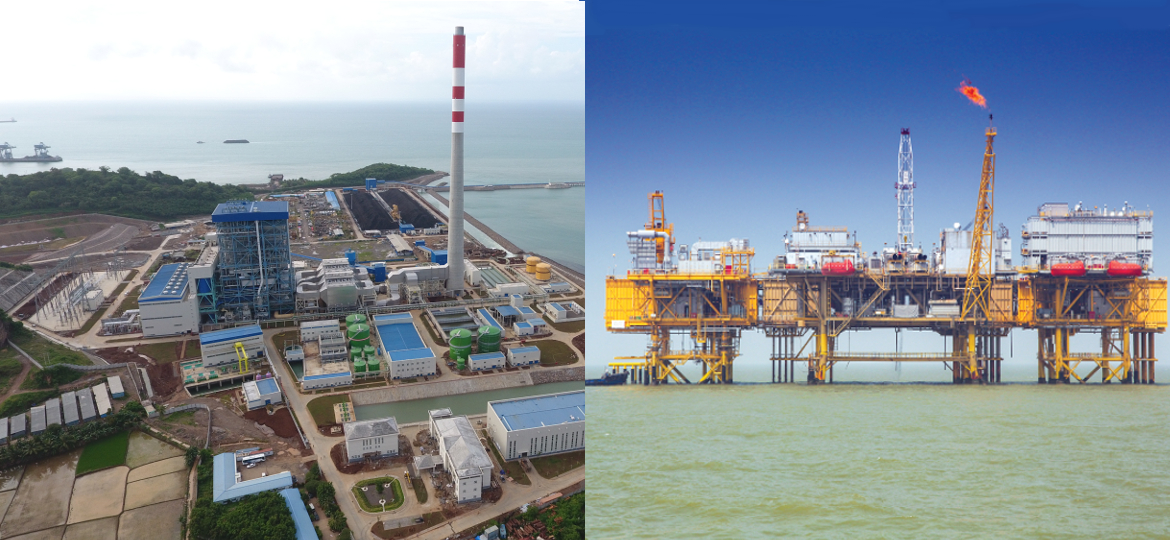
Business Divisions
Highlights
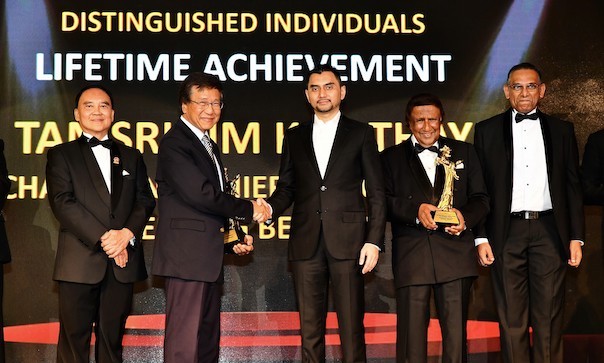
Tan Sri Lim Kok Thay, Chairman and Chief Executive of Genting Berhad received the Lifetime Achievement Award from the Malaysian Association of Theme Parks and Family Attractions (MATFA) Golden Horse Awards on 12 June 2023 for his contributions to the industry, the economy and the nation.
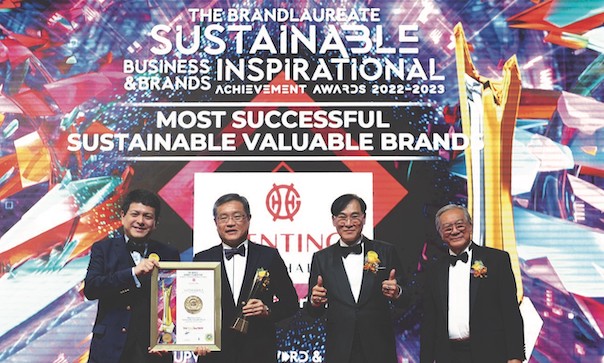
Genting Berhad was awarded Malaysia’s Most Successful Sustainable Valuable Brand at BrandLaureate Sustainable Business & Brands Inspirational Achievement Awards 2022-2023. Dato’ Sri Tan Kong Han (President, COO & Executive Director) received the award and Tan Sri Foong Cheng Yuen (Deputy Chairman) graced the event.
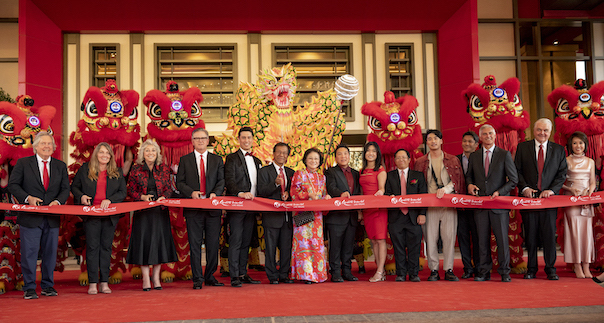
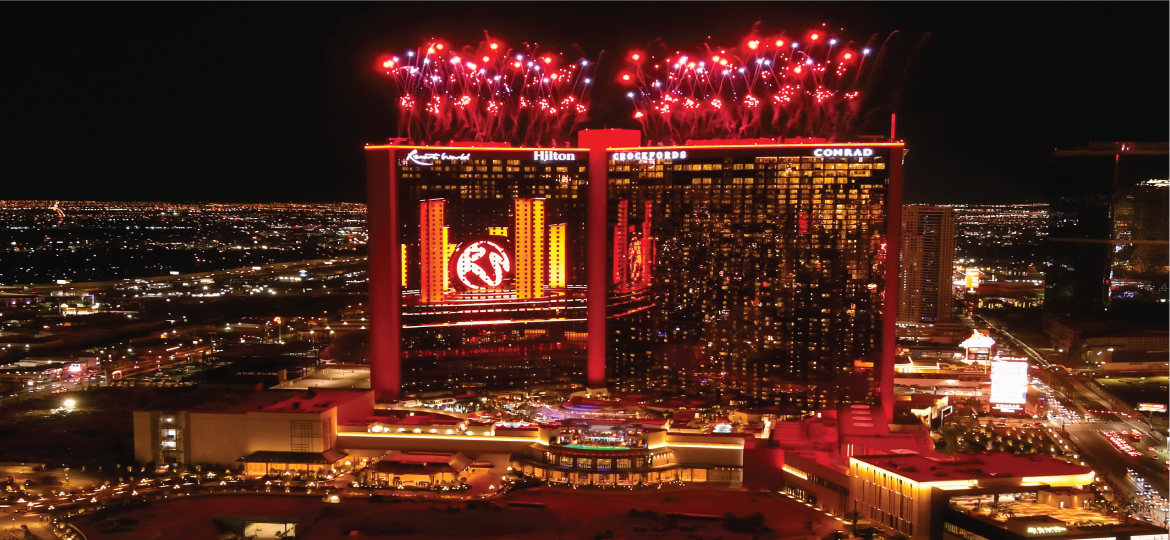
Resorts World Las Vegas, officially swung open its doors to the public, welcoming over 20,000 people. Officiated by Tan Sri Lim Kok Thay, Chairman and Chief Executive of Genting Berhad and Mr. Scott Sibella, President of Resorts World Las Vegas on Thursday, 24 June 2021.
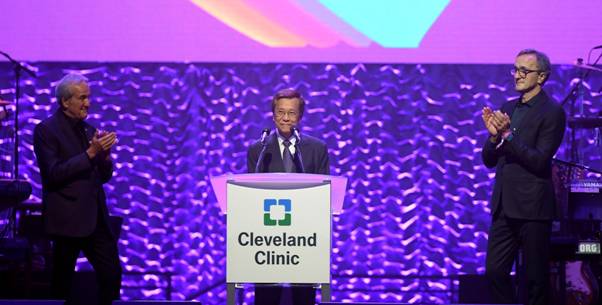
Tan Sri KT Lim, Chairman & CEO of Genting Berhad and developer of Resorts World was honoured with the Global Community Leadership Award by ‘Keep Memory Alive’ at the 25th Power of Love Gala.
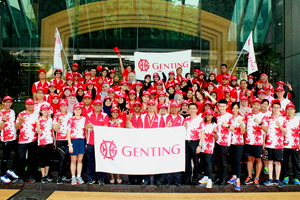
Genting Founder’s Day
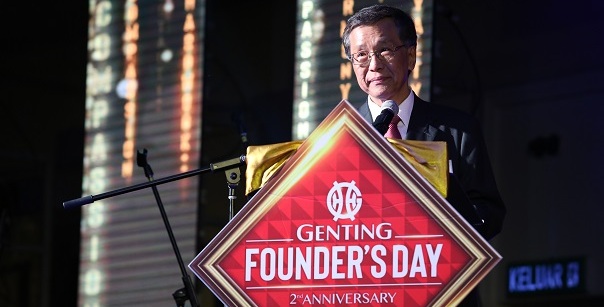
Genting Group celebrates the second Founder’s Day on 28 February 2019.
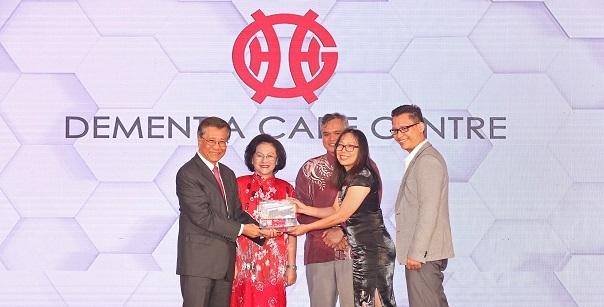
Tan Sri KT presented a plaque to the management team of the Geriatric Division, University of Malaya to symbolise the handover of the Dementia Care Centre.
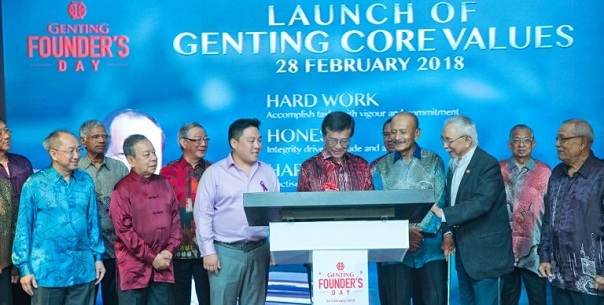
Genting Group Chairman & Chief Executive, Tan Sri Lim Kok Thay launched the Genting Core Values at the inaugural Genting Founder’s Day Celebration on 28th February 2018.
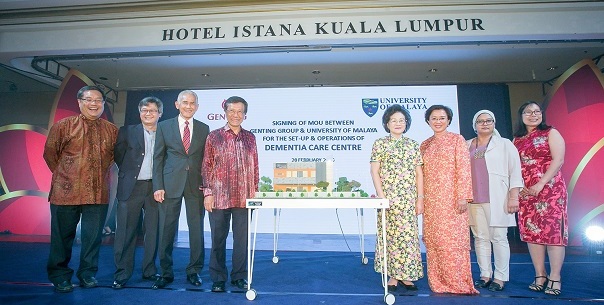
Tan Sri KT Lim and Puan Sri Cecilia Lim Launched the Dementia Care Centre. The MoU was signed by President and COO of Genting Berhad and Vice Chancellor and President of UM.
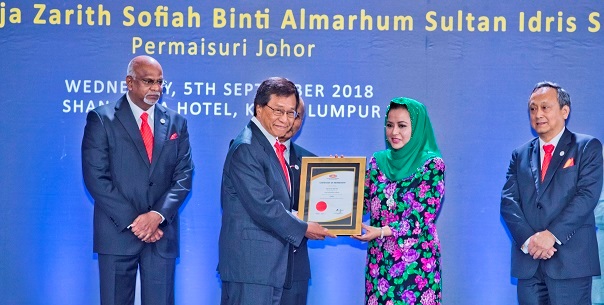
Genting Group Chairman & Chief Executive, Tan Sri Lim Kok Thay was conferred the title ‘MIM Court of Emeritus Fellows’ by Her Majesty Raja Zarith Sofiah, Permaisuri Johor.
Notification
Fraud Alert: It has come to our attention that information regarding certain companies within the Genting Group and our resort properties, and of some of our Directors, has been used without our permission or authority… Read more >>>