Care for the Environment

Environment care is one of Genting Group’s key sustainability interests. We strive to achieve a sustainable balance between development and conservation. In all of Genting Group’s project developments and operations, careful planning and design are undertaken to minimise and protect the impact on the ecosystem. Various ecofriendly initiatives have been implemented by our teams to address environment issues and challenges.

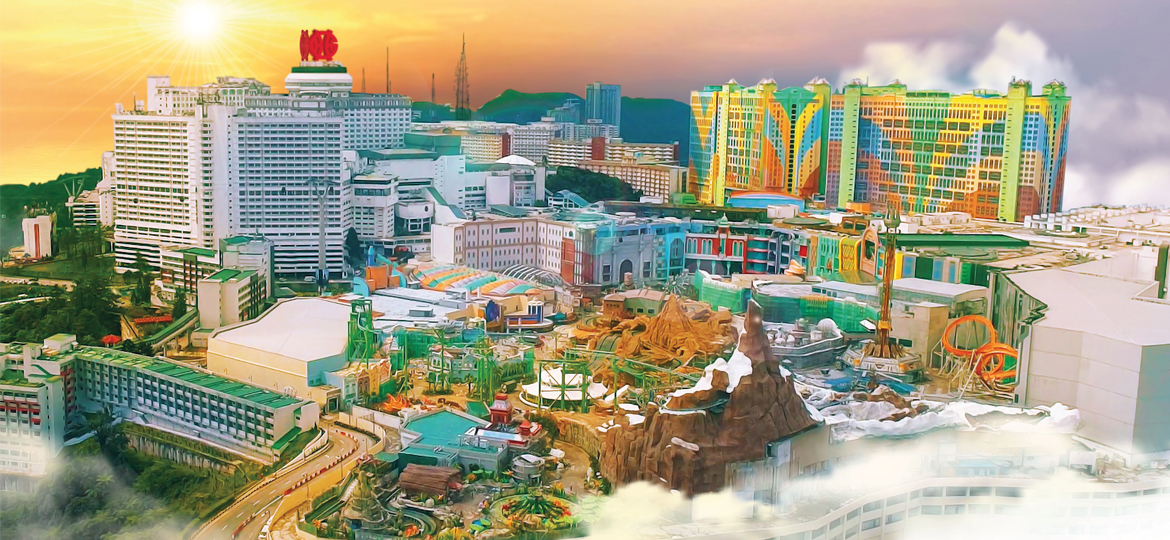
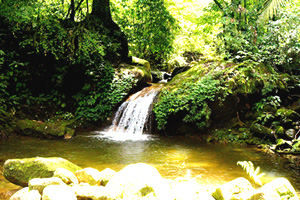
For example, Resorts World Genting, Malaysia which is located on a hill-top is developed with minimal impact on the lush green surroundings, in order to preserve the rich flora and fauna of the environment.

The resort developments for over four decades until today are confined to only 4% of its land bank. The rest of the land bank remains as pristine tropical rainforest. Disturbances to the soil are minimised and overhanging structures and bridges have been constructed to reduce any environmental impact. Exposed surfaces and slopes are planted with turf or hydro seeding to minimize soil erosion. The resort’s developments are confined to two areas, a 33-hectare fl at hilltop area that houses close to 10,000 hotel rooms and numerous entertainment facilities and Awana Genting which is confined to a 105-hectare area at mid-hill. This preserves a major portion of the forest for future generations. Awana Genting is designed with eco-friendly leisure facilities such as bird-watching, nature walks, abseiling, camping, hiking and bike trailing to enable guests to appreciate nature, the rich flora and fauna and the scenic surroundings of Genting Highlands.

In line with the Energy Efficiency Management objective and its Go Green initiatives, the Resorts World Genting team undertook an energy audit to identify potential areas for energy-saving and conservation measures to adhere to the Green Building Index and best practices. Energy conservation measures implemented included switching from T8 lights to the more eco-friendly T5 lights, mainly in the car park and office areas. In 2010, Resorts World Genting reduced its power usage by an estimated 193 kilowatts after installing about 12,000 longer-life T5 lights around the resort. All existing non-efficient metal halide and sodium floodlights were replaced with energy saving compact fluorescent lights, reducing electricity consumption by another 16 kilowatts.

Electricity consumption at Maxims Genting and Highlands Hotel was lower after a variable speed drive was installed on their water pump motors. The engineering team’s project “Optimisation of Steam Plant for Genting & First World Hotel Boilers” produced a reduction of CO2 emission by 5,454 metric tonnes per year and a 24% savings on diesel cost (equivalent to RM4.1 million annual savings). This project won the Malaysia Productivity Corporation National Convention Award.

Paperless electronic vouchers were introduced by eGenting in 2010, which resulted in the savings of about 7 million paper vouchers worth RM1 million at Resorts World Genting. This eco-friendly initiative won our IT team the “Green IT Excellence Award” at the Share/Guide Association Malaysia 2010 ICT Award. Wisma Genting, the Genting Group’s corporate head office in Malaysia, has been fitted with eco-friendly features such as Double Glazed Glass Exterior Wall Cladding Façade to reduce heat penetration and lower air-conditioning consumption, Electronic Ballast lighting that saves 15% in electricity costs, a waterless urinal system in male washrooms that saves up to 99% of water consumption, and a Building Automation System that controls temperature and monitors air-conditioning system.

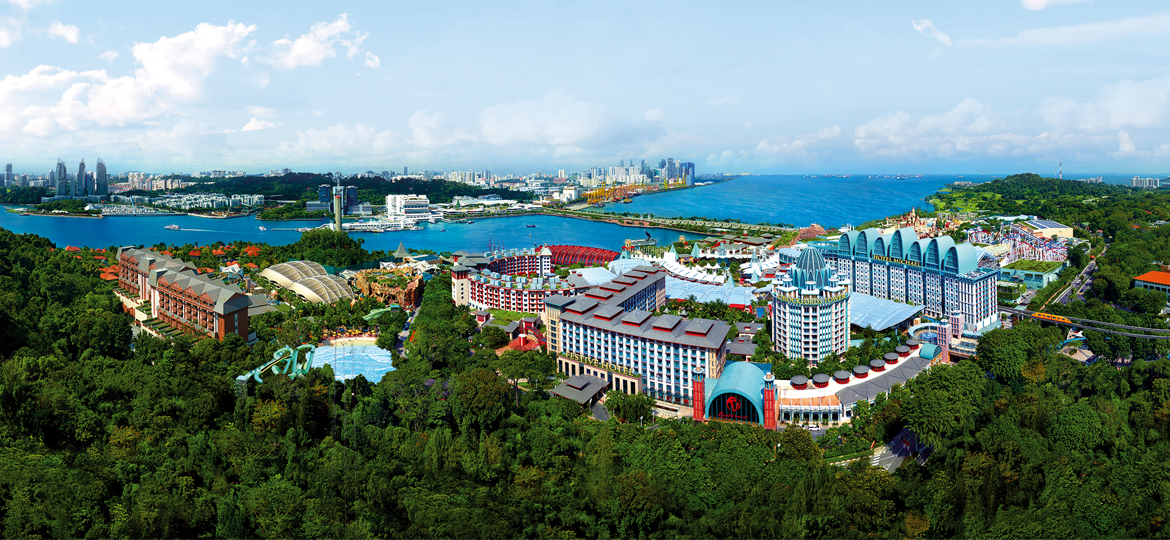
Resorts World Sentosa which sits on a 49-hectare land has incorporated green practices such as solar technology and tree conservation since the planning stage of its development Phase 1 construction of the resort saw the relocation of over 200 trees. This transplantation exercise in 2007, deemed as one of the biggest in Singapore undertaken by a developer, had involved 15 species including the ficus, rain and khaya trees. The team also set aside 2.9 hectares of forest on its landbank. Corals found at the development site were relocated to a new site in 2007 and today, we are pleased to report that the relocated corals are thriving in their new home.

Our team in Singapore regularly engage with various environmental bodies to discuss ways to minimise the environmental impact. A Marine Life Fund was launched for the resort’s Marine Life Park in May 2008 to sponsor research, education and conservation efforts related to marine life. This fund has disbursed funds to WildAid, a US-based non-profit organisation, for the protection of the Galapagos Marine Reserve in Ecuador and a shark’s fin awareness campaign in China. In November 2010, our eco-friendly Resorts World Sentosa won the 2010 Solar Pioneer Award by the Singapore Economic Development Board and Energy Market Authority, a testimony of our good conservation efforts.

In 2010, our commitment to reduce carbon emission received an independent verification when Genting UK achieved the Carbon Trust Standard, which recognises organisations for real carbon reduction. Genting UK deployed Building Energy Management System at 10 casinos, installed new energy efficient air-conditioning and air-handling systems (running on more environmental refrigerant gases) in 7 casinos, and switched to a new hand-dryer model that uses 80% less energy at over 80% of its casinos in the UK.

The Genting Group participates in Earth Hour every year since 2008, switching off lights at key business properties in Malaysia, Singapore and the UK at the specific Earth Hour time as a reminder to conserve energy. In 2010, our team at Resorts World Genting measured and found that by switching off their non-essential lights just for 1 hour on 27 March 2010, they saved RM1,781 worth of electricity, which translated to 5,447 kWh equivalent. The amount saved may be minimal but the awareness created amongst employees and resort guests to conserve energy was immeasurably good.

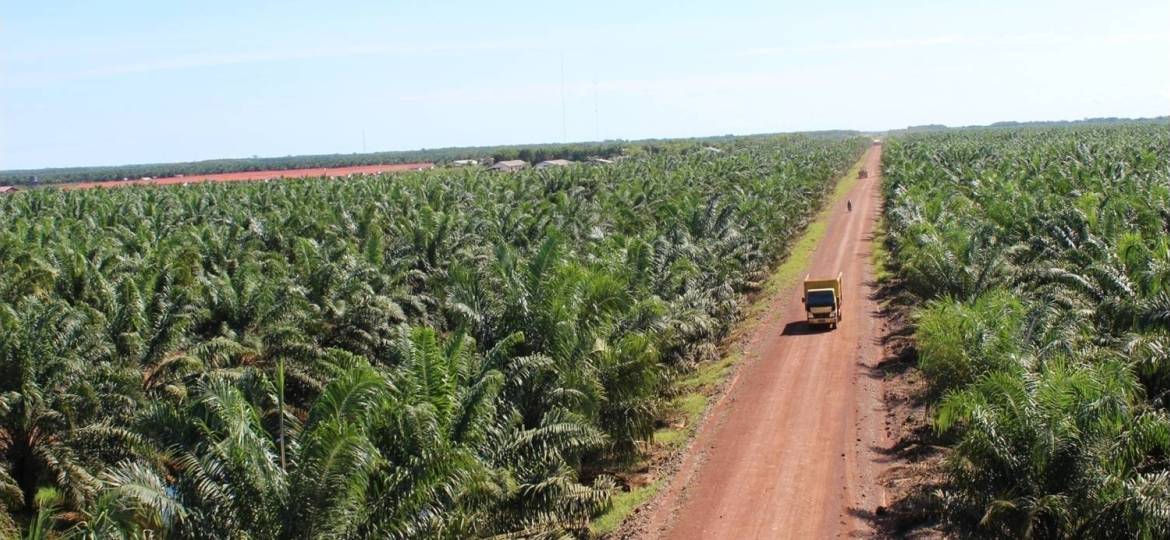
Genting Plantations has been an active member of the Roundtable on Sustainable Palm Oil (RSPO) since its inception in 2004. Its representation on Executive Board and working groups of RSPO is a testament of our plantation team’s underlying commitment to produce palm oil in an environmentally friendly and socially responsible manner. Genting Plantations has a dedicated Sustainability Department that spearheads ongoing activities to foster sustainable agriculture, as guided by the Principles and Criteria of the RSPO. The team has initiated an RSPO-compliant documentation system, formal engagement and consultations with internal and external stakeholders, and environmental conservation efforts at the estates.

Genting Plantations practises organic soil improvement methods to help reduce the use of chemical products and minimise the risk of soil erosion. The big hole planting method, which has proven to be effective in conserving soil moisture besides reducing topsoil erosion, is widely adopted. Leguminous cover crops are planted as means of weed control and soil enhancement, while waste material like empty fruit bunches and palm oil effluents are recycled and used as organic fertiliser. Palm oil wastes are also used as biomass to generate power for the mills and surrounding amenities, thus contributing to improved energy efficiency. For new plantation projects, our team avoid developing in high conservation value forest areas, preferring to utilise previously cleared or degraded land. In constructing new mills, comprehensive environmental and socio-economic impact assessments are completed prior to project commencement, followed by regular environmental monitoring and compliance audits throughout the various stages of development.

Genting Plantations was the first plantation company to participate in the World Wide Fund for Nature (WWF) Malaysia’s “Partners for Wetlands” programme in 1999 and continues to be actively involved. This programme is part of the broader ‘Kinabatangan – Corridor of Life’ project to conserve and rehabilitate the lower basin of the Kinabatangan River, one of the world’s largest remaining and most biologically diverse forested floodplains. Genting Plantations has dedicated an area of 86.5 hectares of riparian reserves along the Tenegang Besar river, one of Kinabatangan’s main tributaries for rehabilitation and reforestation activities.

Our plantation team will continue to support the restoration of the area, which is an important habitat for indigenous flora and fauna and animal species including the orang utan, proboscis monkey and hornbill. 175 hectares of land at the Tenegang Group of Estates in Sabah have been set aside to be preserved in their natural state as wildlife sanctuaries, named Baha and Bahagia sanctuaries. Our plantation team has supported the rehabilitation of the Malayan Sun Bear, the world’s smallest bear, which is under increasing threat of habitat loss and donated to the setting up of the Bornean Sun Bear Conservation Centre in Sepilok, Sabah.

Genting Plantations has collaborated with DuPont Malaysia Sdn Bhd since 2008 to recycle empty or used High Density Polyethylene containers into end-products such as nursery planting trays and baskets for loose fruit collection. Close to 25,000 containers are recycled each year from our oil palm estates in West Malaysia.

Creating Sustainable Oil Crops

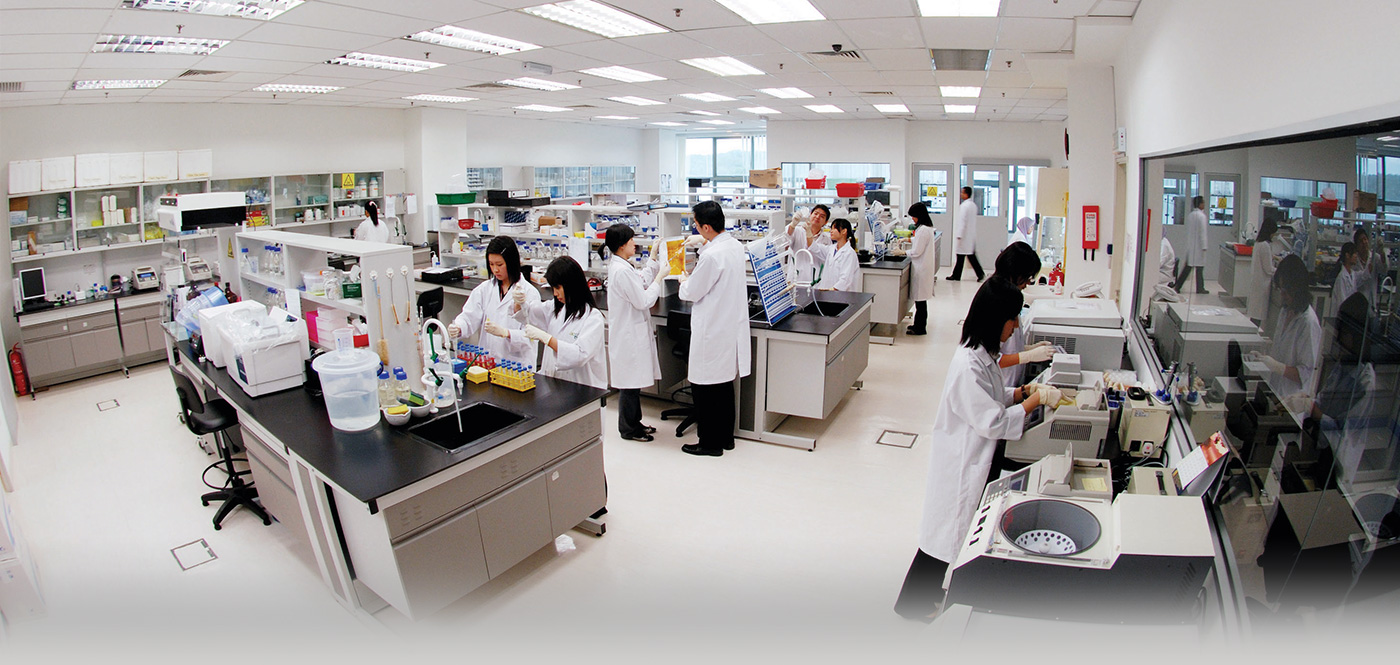
At Genting Plantations, we aim to be a leader in meeting the world’s growing food and fuel needs sustainably. In pursuit of this goal, ACGT Sdn Bhd was formed to apply the field of genomics towards sustainable agriculture for oil crops like oil palm and jatropha. With arable land getting scarcer by the day, the industry can no longer rely merely on expansion of acreages to raise production. The only way forward is to increase yields significantly.

Through ACGT’s genomics-based marker assisted selection technology, a new generation of superior planting materials will be possible and the long breeding cycle of the oil palm can be halved from 12 years to just 6 years.

These breakthroughs will unlock the inherent potential of the oil palm and bring exponential growth in crop productivity.

Furthermore, ACGT is also studying the Ganoderma, a white rot fungus which causes basal stem rot, one of the most threatening diseases in oil palm. ACGT is studying the Ganoderma genome to develop early detection, treatment and prevention solutions for oil palm plantations. With a Ganoderma detection tool, plantations are able to diagnose the presence of Ganoderma and the severity of the infection at an early stage.

ACGT’s vigorous genomic studies of the oil palm tree, its environment and diseases will lead to better plant health and improve the yield of palm oil, a leading source of dietary nourishment and renewable energy.


Source: Genting Berhad Annual Report 2010


Copyright © 2012 Genting Group. All Rights Reserved. Disclaimer